How Parys Became the Pride of the Vaal
Long before Parys became one of the Free State’s most loved tourism destinations, the town along the banks of the Vaal River was little more than open farmland, ferry crossings and scattered communities shaped by the rhythm of the river itself. Life moved slowly in this part of the country, where the landscape was wide, the distances were long and the river provided both opportunity and challenge.
Over time, however, this quiet settlement transformed into a town known for its beauty, hospitality and unique atmosphere. Today, Parys is recognised as one of South Africa’s most charming small towns, carrying a title that has followed it for generations: “The Pride of the Vaal.”
The Beginnings of a Riverside Town
The story of Parys begins on the farm Klipspruit, owned by the Van Coller brothers during the 1800s. At the time, communities in the northern Free State were isolated, with residents travelling long distances to attend church services or reach nearby towns.
The need for a closer congregation eventually sparked discussions around establishing a settlement along the river. In 1876, after land on Klipspruit was surveyed, the foundations of Parys were laid.
German surveyor C. Schilbach is believed to have named the town after Paris in France after noticing similarities between the Vaal River and the Seine. He imagined a thriving riverside town stretching along the water, inspired by the movement and beauty of the landscape.
From the beginning, the river shaped the identity of Parys. It supported farming, connected travellers moving between regions and created a setting unlike anywhere else in the Free State.
Life Along the River
Before permanent bridges crossed the river, ferries and pontoons formed an important part of daily life. Farmers, traders and travellers relied on these crossings to move between the Free State and Transvaal sides of the river. During flood periods, crossings often became dangerous and unpredictable, yet the water continued drawing people to the area.
As years passed, visitors slowly began discovering the peaceful beauty and quiet atmosphere surrounding Parys. The riverbanks offered fresh air, open space and a slower pace of life that felt far removed from growing cities such as Johannesburg.
One of the most memorable parts of this early tourism history was Woody Island.
During the early 1900s, Woody Island became a popular holiday destination where visitors stayed in small riverside bungalows surrounded by trees and flowing water. Ferries carried guests across the river, turning even the journey itself into part of the experience.
Families travelled to the island to swim, picnic, boat and spend time outdoors along the riverbanks. At a time when holiday resorts were still uncommon, Woody Island offered visitors an escape into nature and helped establish Parys as a developing tourism destination.
Flooding and transport difficulties eventually caused the decline of the island as a holiday resort, but its influence on the identity of Parys remained. Long before adventure tourism and boutique guest houses became part of the town, Woody Island had already introduced visitors to the beauty of riverside life.
The Railway and the Rise of Tourism
One of the biggest turning points in the history of Parys came in 1905 with the arrival of the railway line.
The railway connected Parys more directly to Johannesburg and surrounding regions, making travel to the town far easier than before. Suddenly, visitors from the city could spend weekends enjoying the countryside, outdoor recreation and the slower rhythm of small-town life.
This period marked the beginning of tourism growth in Parys.
Holidaymakers arrived to enjoy boating, fishing, picnics and riverside relaxation, while local businesses slowly developed around the growing number of visitors. The scenic landscapes surrounding the town became part of its appeal, drawing people looking for rest and connection to nature.
It was during these years that Parys earned the nickname “The Pride of the Vaal,” reflecting both its beauty and its growing popularity as a riverside escape.
A Town That Continued to Evolve
As Parys grew, farming remained central to the region, but industry and tourism gradually helped shape the town’s future.
Developments such as the jam factory, roller mills and other agricultural industries strengthened the local economy during the early 1900s. Roads improved, bridges replaced ferries and the town became increasingly connected to surrounding areas.
Historic churches, heritage homes and commercial buildings slowly filled the streets of Parys, many of which still stand today. These buildings became part of the town’s character, preserving stories of earlier generations while contributing to the atmosphere visitors experience today.
Over time, Parys evolved into more than a farming town. Art galleries, cafés, antique stores and guest houses gradually became part of the landscape, blending history with hospitality and creativity.
Parys Today
Today, Parys remains one of the Free State’s most visited tourism destinations, yet much of what attracts visitors now is rooted in the same qualities that shaped the town from the beginning.
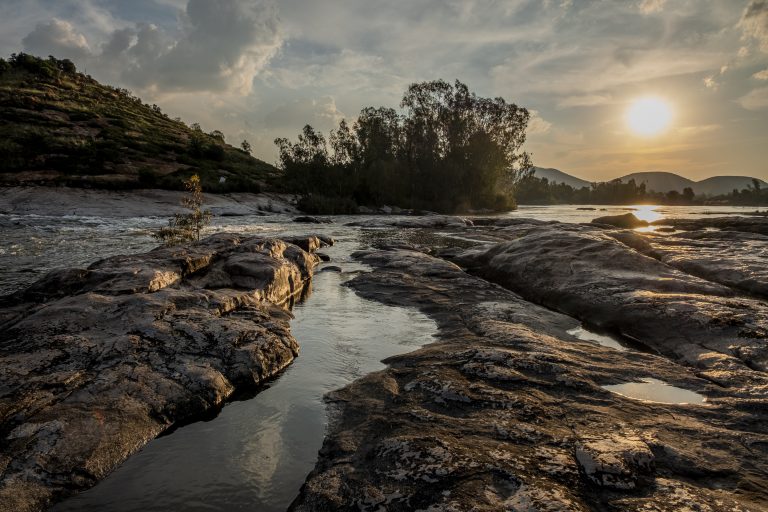
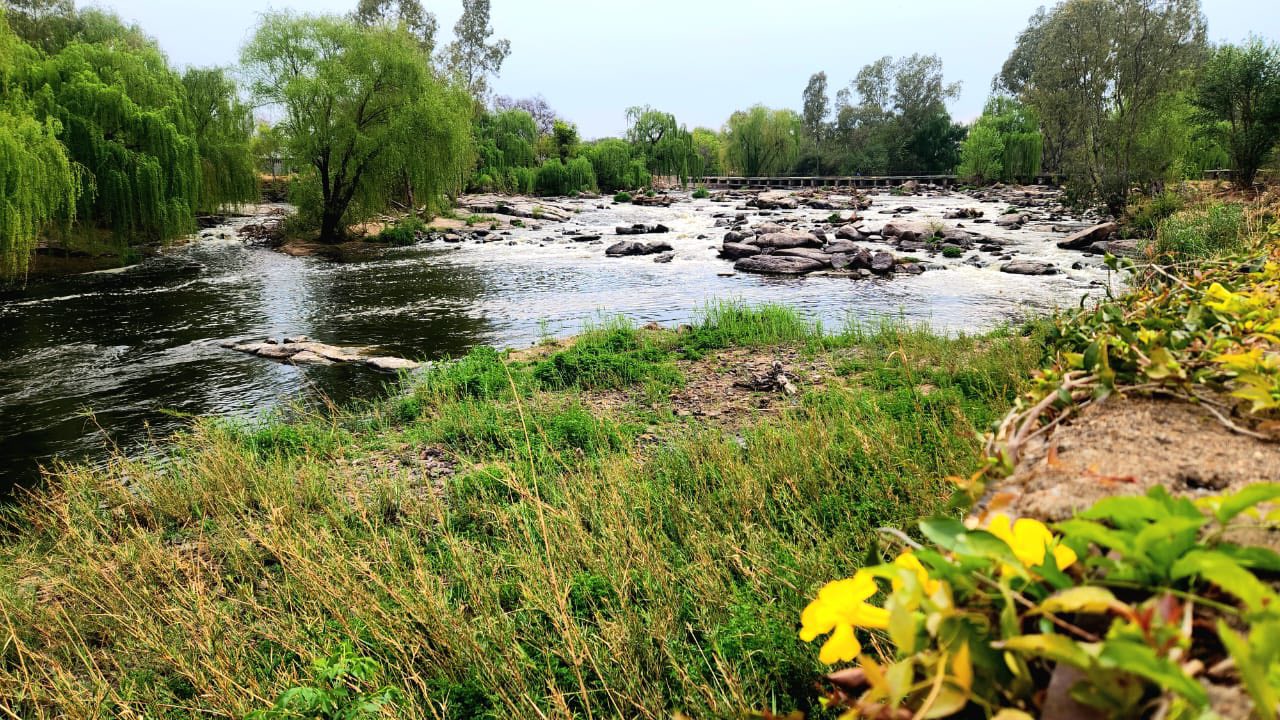
The river still lies at the centre of life in Parys. Its flowing water, tree-lined banks and peaceful surroundings continue to draw visitors looking for relaxation, adventure and connection to nature. River rafting, kayaking, boating and fly-fishing have become popular experiences, while riverside restaurants, lodges and guest houses allow visitors to slow down and enjoy the scenery that has defined the town for generations.
Over the years, Parys has also developed a strong adventure tourism culture. Hiking trails, ziplining, hot air ballooning and outdoor experiences attract travellers seeking to explore the landscapes surrounding the town.
Located within the Vredefort Dome, recognised as a UNESCO World Heritage Site, Parys has gained even greater tourism appeal. Formed by the largest verified meteor impact on Earth, the Dome attracts nature lovers, photographers and visitors interested in the geological history of the region.
Beyond the natural surroundings, Parys itself has developed into a town filled with character and creativity. Streets such as Breë Street are lined with cafés, boutique shops, antique stores, art galleries and local markets that encourage visitors to explore slowly and experience the atmosphere fully.
Historic buildings continue to stand alongside modern spaces, creating a balance between heritage and contemporary tourism. Old churches, heritage homes and familiar landmarks still tell the story of earlier generations, while new businesses and tourism experiences continue shaping the future of the town.
Events, markets and outdoor gatherings bring visitors to Parys throughout the year, adding energy to a town that has continued to evolve while holding onto its connection to history and the surrounding landscape.
The Pride of the Vaal
What makes Parys truly special is not only its natural beauty, but the way its history continues to live within the town itself.
The same river that once carried ferries and connected isolated farming communities now welcomes visitors searching for adventure, rest and meaningful experiences. Historic streets, old stories and riverside landscapes remain woven into daily life, preserving the character that first made people fall in love with the town.
From a quiet settlement along the river to one of South Africa’s most loved tourism destinations, Parys has continued to grow while remaining deeply connected to its roots.
That lasting connection between history, landscape and tourism is what still makes Parys deserving of its title today: The Pride of the Vaal.