Nature That Thrives on Ancient Ground
At first glance, it may be surprising that a place born from catastrophic destruction now supports such rich and varied life. Yet the UNESCO Vredefort Dome World Heritage Site is a powerful example of nature’s resilience. Over billions of years, life has adapted to the unique conditions created by the meteorite impact, turning ancient rock into fertile ground for biodiversity.
The soils of the Dome are unlike those found in surrounding regions. Formed from deeply uplifted and fractured rock, they are rich in minerals and vary greatly over short distances. This diversity in soil composition creates a mosaic of habitats, each supporting different plant communities. Grasslands, savanna vegetation, rocky outcrops, and riverine forests exist side by side, often within walking distance of one another.
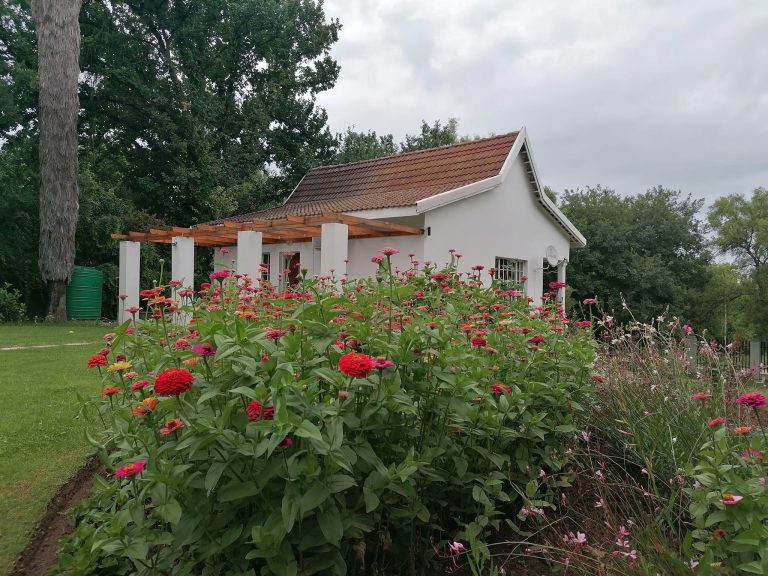
Plant life in the Dome reflects this complexity. Hardy grasses dominate open areas, thriving in thin soils exposed to sun and wind. Shrubs and trees such as acacias, karee, and wild olive anchor themselves in rocky terrain, their roots gripping ancient fractures in the stone. In spring and summer, wildflowers bring bursts of colour to the landscape, transforming subtle slopes into vibrant displays.
These plant communities form the foundation of a thriving ecosystem. Insects pollinate flowering plants, reptiles bask on sun-warmed rocks, and small mammals find shelter among dense vegetation. Larger animals such as antelope move through the landscape, grazing and browsing in patterns shaped by water availability and seasonal change.
Birdlife is particularly abundant within the Dome. The combination of open grassland, wooded areas, and river habitats attracts a wide range of species. Raptors patrol the skies above ridges, using thermal currents created by uneven terrain. Waterbirds gather along the Vaal River, while songbirds bring sound and movement to quieter areas. For birdwatchers, the Dome offers both diversity and accessibility.
The relationship between geology and biodiversity is especially clear here. Rock formations influence soil depth, which affects plant growth, which in turn shapes animal behaviour. This interconnected system has developed slowly over immense periods of time, creating balance through adaptation.
For visitors, experiencing nature in the Dome offers more than scenic beauty. It provides insight into how life responds to change and how ecosystems rebuild after disruption. Walking quietly through these landscapes encourages awareness of small details, from insect activity to subtle changes in vegetation.
Protecting this biodiversity is essential. Human activity, if unmanaged, can disrupt fragile habitats. Responsible exploration helps ensure that the life thriving on this ancient ground continues to flourish, preserving both ecological and geological heritage.
Images provided by Michelle Storm.