The Parys Roller Milling Building: From Industrial Landmark to Creative Revival
Long before Parys became known for its charming streets, riverside cafés and weekend markets, the town was shaped by agriculture, trade and industry. Along the banks of the Vaal River, a quieter story unfolded through hard work, innovation and steady progress.
At 47 Philip Street, that story still stands in brick and mortar. The Parys Roller Milling building is more than a historic structure. It reflects the determination, enterprise and evolution that helped shape the town.
Origins and Strategic Growth of the Parys Roller Mill
The roots of the business trace back to 1896, making it one of the oldest industries associated with Parys. The Benjamin family’s milling tradition began in Lithuania, where Mordecai Benjamin was involved in the family trade before that experience later continued in South Africa.
The family later settled in the Free State and operated a water-driven mill at the Vaal River, using the river’s natural force to power production in the early years. This strong foundation of skill and perseverance laid the groundwork for a business that would become deeply woven into the history of Parys.
In 1912, Max and Louis Benjamin established themselves in the Parys district through farming. By 1919, they opened the Parys Roller Milling operation, introducing a more advanced milling system to the growing town.
The mill’s location was carefully chosen. Positioned within easy reach of the town centre and transport routes, it was ideally placed to receive grain from surrounding farms and distribute finished products across the region.
The brothers helped erect the building themselves, with portions of the original structure still standing today. Their vision marked an important chapter in the growth of Parys as a centre of agriculture and trade.
One of the most remarkable parts of the mill’s history was a second-hand machine purchased in the early years that continued operating decades later. By 1981, it was believed to be close to 100 years old, reflecting the craftsmanship and durability of early engineering.
A Hub for Agriculture and Community
The mill became an essential link between farm and market. Farmers brought wheat and maize from nearby lands to be processed into meal and flour for homes, trade and wider distribution.
This local milling capability reduced reliance on distant processing centres, strengthened the economy, created jobs and supported surrounding businesses.
Inside the building, production followed a carefully planned system. Multi-level design allowed grain to move through cleaning, grinding and refining stages using gravity, while steel rollers replaced traditional grinding stones to produce finer, more consistent flour.
Before modern transport, journeys often took time. Ox wagons would camp in Parys for days while waiting for grain to be milled. These visits transformed the mill into a lively meeting place where farming families shared stories, news and friendship.
During certain periods, even sprinkane (locusts or grasshoppers) were brought to the mill to be ground into cattle feed, reflecting the practical and resourceful nature of farming communities during challenging seasons.
Many respected farmers from the Parys district remained loyal supporters of the Benjamin family and their business for generations.
Growth and Modernisation
During 1960, the facility was modernised and production increased considerably, helping the mill remain competitive in a changing agricultural landscape.
People travelled from far and wide to buy the well-known coarse maize meal produced at the Parys roller mill. Its texture and flavour earned a loyal following. The mill was also known for its welcoming atmosphere. There was always conversation, community spirit and a cup of tea waiting for visitors.
Built for Purpose
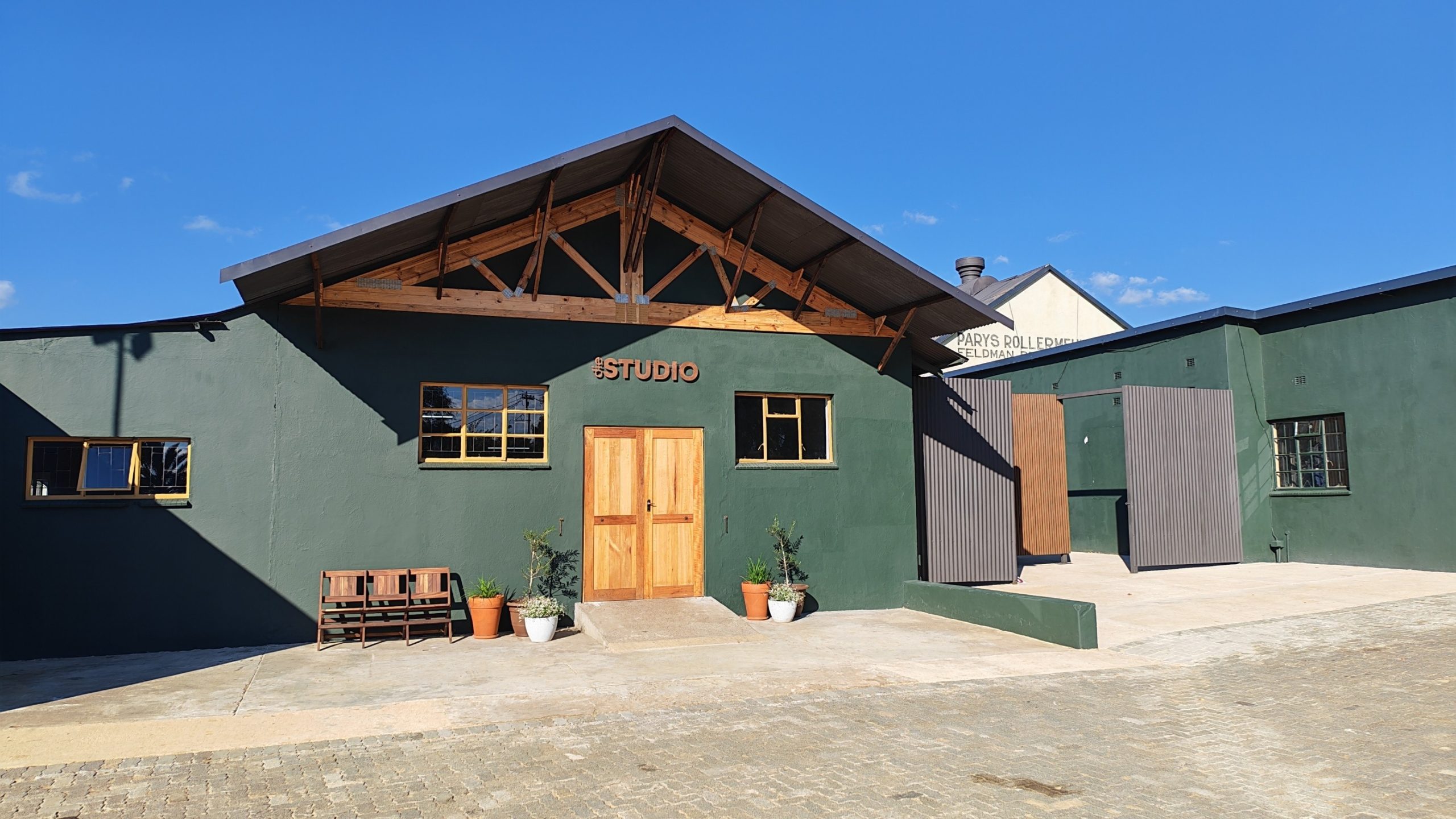
The structure at 47 Philip Street reflects the practical nature of early industrial architecture. Thick walls, large openings and generous interior spaces were designed to support heavy machinery and continuous production.
Strength, durability and efficiency were prioritised over decoration.
Today, that same industrial character gives the building its distinctive charm. Its textures, scale and visible history create a setting that feels authentic and full of possibility.
A New Chapter Begins
The story of the old mill is far from over.
The building at 47 Philip Street is currently under renovation, with an exciting future taking shape. It is being transformed into an events venue that will be known as Die Meule. The name, meaning “The Mill,” honours the building’s origins while introducing a fresh purpose.
This transformation reflects a broader movement where historic industrial spaces are reimagined into creative, social and cultural hubs.
A portion of this vision has already come to life.
Die Studio: Movement Within History
Part of that vision is already a reality.
Located on the same premises, Die Studio is open and bringing fresh energy into the old mill environment. Where machinery once turned grain into flour, people now gather to move, train and connect.
Die Studio offers:
• Dance classes with various instructors
• Pilates focused on strength and balance
• Grappling training for those seeking a dynamic discipline
A space once dedicated to production now supports movement, wellness and community in a modern form.
Where Past and Present Meet
The evolution of the Parys Roller Milling building captures something special about Parys. It is a town that respects its past while embracing the future.
From its early days serving farmers across the district, to its future as a vibrant events venue and wellness space, the building reflects resilience and renewal.
Discovering Parys Through Its Stories
Parys offers more than scenic views and relaxed experiences. It is a town layered with stories of enterprise, character and transformation.
Places like the old Roller Milling building invite visitors to look beyond the surface and discover the people and industries that helped shape the community.
From the flowing Vaal River to the creative energy now filling historic spaces, Parys continues to honour its roots while moving forward.
At 47 Philip Street, that story is still being written.