The Van Coller Brothers and Klipspruit: The Origins of Parys in the Free State
Long before Parys became the vibrant riverside town it is today, the land along the Vaal River was defined by open spaces, working farms and a way of life shaped by distance and resilience. Life in this part of the Free State required patience and determination, with communities spread far apart and daily routines centred around the land.
At the centre of this landscape stood Klipspruit, a farm owned by the Van Coller brothers. This is where the story of Parys begins, rooted in land, community needs and a decision that would shape the future of the region.
Klipspruit: The Foundation of Parys
The farm Klipspruit, meaning “stone creek,” was established as a working farm along the Vaal River, with the original farmhouse built in 1853. Positioned in a central and scenic location, it became a natural focal point in an otherwise scattered rural area.
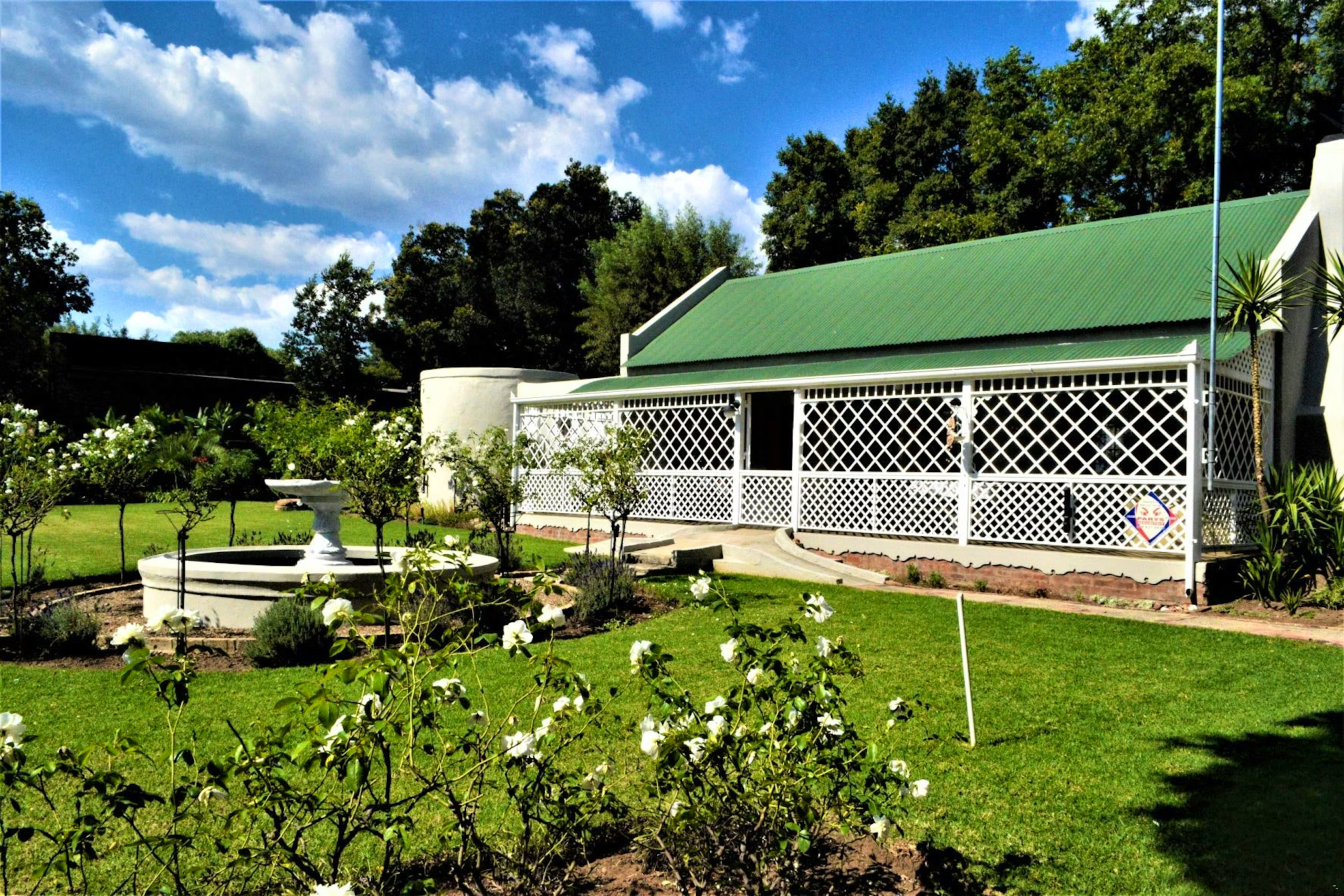
The original farmhouse, where the town of Parys later originated, still stands today. What began as a family residence now offers six bedrooms, preserving its historical character while welcoming modern visitors. During World War II, the property was also used as a hospital, where it often provided care for civilians or served as a local home guard support centre.
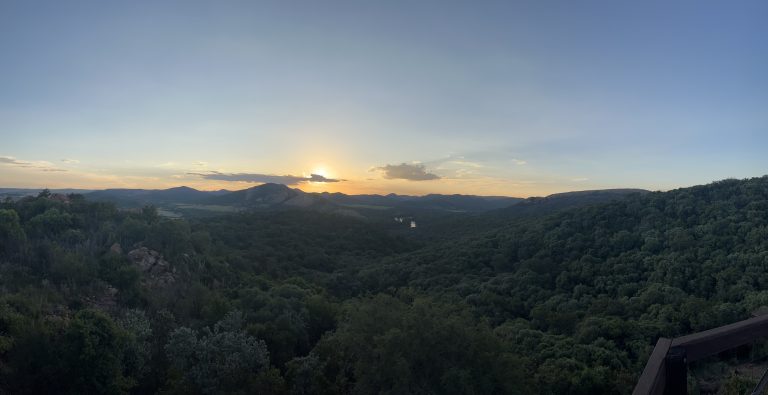
The Vaal River itself played an important role in shaping life on the farm. It provided water for livestock and crops, while also serving as a natural landmark that connected people to the surrounding landscape. Over time, the river would become one of the defining features of Parys, attracting visitors and shaping the town’s identity.
At the time, essential services were far away. Attending church required a journey of nearly 92 kilometres to Kroonstad, making regular gatherings difficult for many families. This distance created a growing need for a central place where people could meet, worship and connect.
Farmers in the region began to recognise the importance of establishing a town that could serve the surrounding community. Klipspruit, with its location and access to the river, became the natural choice.
A Defining Decision
In 1874, representatives of the Dutch Reformed Church, including Wouter de Villiers, J.G. Luyt and land surveyor J.C. Fleck, approached the Van Coller brothers with a proposal to develop a town on their land. The intention was to create a central hub that would support both spiritual and community life in the region.
The proposal was declined.
At the time, this decision reflected a preference for stability and familiarity. Farming was established and predictable, while town development introduced uncertainty. Retaining the farm appeared to be the more practical option. The long-term potential of establishing a town was not yet fully realised.
A Turning Point
After the proposal was declined, the same representatives approached the neighbouring farm, Vischgat. Agreement was reached, and the town of Vredefort was soon established.
This development highlighted what could have taken place on Klipspruit. Growth, opportunity and community life were now unfolding nearby. The establishment of Vredefort created a visible example of how a central town could support surrounding farms and bring people together.
The implications of the earlier decision became clear, prompting the Van Coller brothers to reconsider their position. What had initially seemed like a cautious choice was now understood differently, and the opportunity to develop Klipspruit took on new significance.
The Birth of Parys
In April 1876, land surveyor J.C. Fleck began laying out the town on Klipspruit. A total of 158 erven were surveyed, followed by additional plots the following year. Farmland was gradually transformed into structured streets, plots and a growing settlement.
This marked the beginning of a more organised and connected community. Roads were planned, spaces were defined and the foundations of a town were established.
As the town developed, it was given a name inspired by a broader vision. German surveyor C. Schilbach saw similarities between the Vaal River and the Seine and imagined a town extending across both sides of the river. The name Parys was adopted.
Although the town did not fully develop across both riverbanks as originally envisioned, the name remained and became part of its identity, reflecting both ambition and imagination.
Klipspruit Today: A Living Link to the Past
Despite the growth and evolution of Parys, Klipspruit remains central to its history. The original farmhouse, built in 1853, still stands today and has been carefully restored.
What once served as the home of the Van Coller brothers now operates as Klipspruit Accommodation, offering visitors a chance to experience a preserved piece of local history. Located at 32 Oranje Street, the property continues to reflect its origins as a working farm, while also representing the foundation on which Parys was built. Under the care of Elmarie van der Westhuizen, the space balances heritage with a welcoming and refined atmosphere.
Visitors who step onto the property can connect with a quieter chapter of the town’s history, where the pace of life was slower and the landscape shaped everyday living. It offers a tangible link to the origins of Parys, allowing history to be experienced rather than simply remembered.
From Farm to Town: A Lasting Legacy
The story of the Van Coller brothers reflects how decisions shape the future of a place. An opportunity was initially declined, allowing development to take place elsewhere. That moment of hesitation was followed by reconsideration, leading to a decision that would ultimately define the town.
By allowing their land to be developed, Klipspruit transformed from a farm into the birthplace of Parys. This transition reflects not only the growth of a town, but also the evolving needs of a community seeking connection, accessibility and shared spaces.
Why This History Still Matters
The origins of Parys highlight how communities are shaped over time through both circumstance and choice. The Vaal River continues to flow as it did in the 1800s, while the streets of Parys still follow the original layout drawn on Klipspruit. The farmhouse remains, quietly preserving its story.
From a single farm along the river grew a town that continues to welcome visitors, celebrate its heritage and build on its past. Klipspruit remains at the heart of that story, where everything first began.
Discover Parys Today
Today, Parys offers far more than its historical roots. Visitors are drawn to the town for its combination of natural beauty, small-town charm and rich heritage. The Vaal River remains a central feature, offering relaxation, water activities and scenic views.
The streets are lined with boutique shops, art galleries, local markets and inviting cafés, creating a vibrant atmosphere filled with discovery. Whether enjoying a riverside meal or exploring unique stores, there is something to experience around every corner.
From Klipspruit to the historic churches and beyond, Parys continues to honour its past while embracing the present. For those seeking a destination where history, nature and community come together, Parys remains a memorable place to visit.