
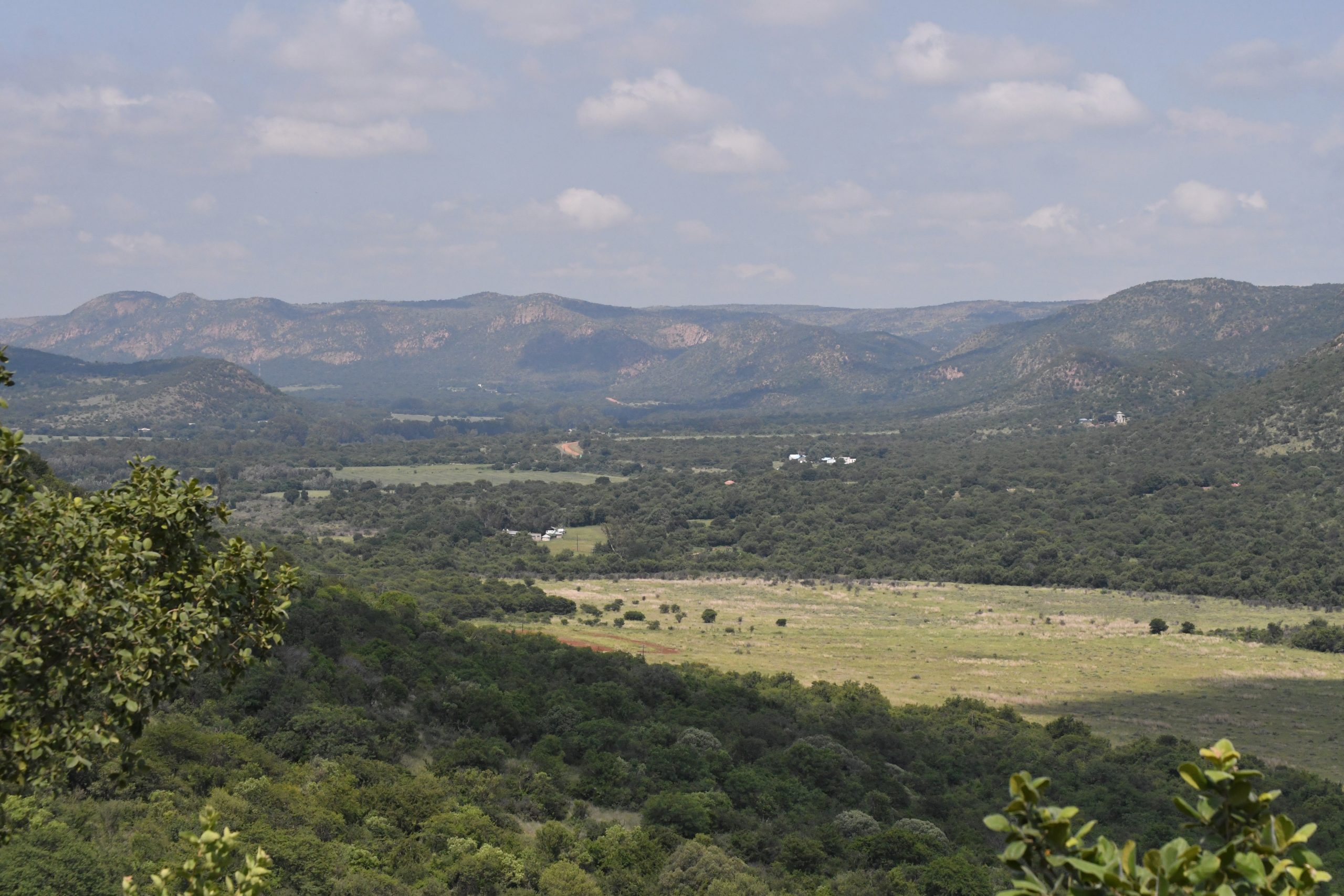
The Story Beneath the Surface: Understanding the UNESCO Vredefort Dome World Heritage Site
Hidden beneath the rolling hills and peaceful river valleys near Parys lies one of the most extraordinary geological features on Earth. The UNESCO Vredefort Dome World Heritage Site is the oldest and largest visible meteorite impact structure in the world, and its story stretches back more than two billion years.
Long before humans walked this land, a massive asteroid struck the Earth with unimaginable force. Scientists estimate that the impactor was between ten and fifteen kilometres wide. The collision released energy far greater than any volcanic eruption or earthquake ever recorded. The result was a crater nearly three hundred kilometres in diameter, reshaping the planet’s crust and altering geological processes forever.
What makes the Vredefort Dome globally significant is not only its size but its age. At approximately two billion years old, it provides scientists with a rare opportunity to study early Earth processes. Most impact craters have been eroded or buried by time, but the Vredefort structure remains partially exposed, allowing direct observation of deep crustal rocks that would otherwise be inaccessible.
The Dome is named after the uplifted central area created by the rebound of Earth’s crust after the impact. This rebound pushed ancient rocks upward, forming a dome-like structure. Today, these rocks offer visible evidence of extreme pressure and heat. Shatter cones, shocked quartz, and distorted rock layers serve as unmistakable fingerprints of an impact event.
In 2005, UNESCO officially recognised the Vredefort Dome as a World Heritage Site. This designation acknowledges its outstanding universal value and its contribution to our understanding of planetary science. Researchers from around the world continue to study the site to learn more about impact events, Earth’s evolution, and even the formation of other planets.
For visitors, the Dome is more than a scientific marvel. It is a place of quiet awe where deep time becomes tangible. Standing on ancient rock formations, it is humbling to realise that these stones witnessed one of the most dramatic moments in Earth’s history. The story beneath the surface reminds us that the land around Parys holds a global legacy that continues to shape scientific discovery.
Images provided by Michele Storm.


